
Forex Trading Beginner Guide Your Path to Currency Trading Success
Forex Trading Beginner Guide: Your Path to Currency Trading Success
Forex trading, short for foreign exchange trading, is an exciting and potentially profitable venture for individual and institutional traders alike. It involves the buying and selling of currencies on the foreign exchange market with the aim of making a profit. Whether you’re looking to make trading your full-time career or a side hustle, it’s essential to start with a solid foundation. In this guide, we will cover the basics of forex trading, including strategies, analysis techniques, and how a forex trading beginner guide Trading App APK can enhance your trading experience.
Understanding Forex Trading
The forex market is the largest and most liquid financial market in the world. You’ll find that the forex market operates 24 hours a day, five days a week, across various time zones. This means you can trade at any time that suits you, which is one of the appealing aspects of forex trading for beginners.
Currency Pairs
In forex trading, currencies are traded in pairs, such as EUR/USD or GBP/JPY. The first currency in the pair is known as the base currency, while the second is the quote currency. The exchange rate tells you how much of the quote currency is needed to purchase one unit of the base currency.
Bid and Ask Prices
The bid price is the amount a buyer is willing to pay for a currency, while the ask price is the amount a seller is willing to accept. The difference between these two prices is known as the spread and is a crucial aspect of trading costs that every trader should understand.
Getting Started with Forex Trading
Starting your forex trading journey requires several steps:
1. Educate Yourself
Before diving into trading, invest time in learning the fundamental concepts of forex. There are numerous online resources, including articles, courses, webinars, and forums where traders share their insights and experiences.
2. Choose a Reputable Broker
To trade forex, you will need to open an account with a brokerage firm. Select a broker that is regulated, has a good reputation, and provides a user-friendly trading platform. Check for spreads, commissions, and leverage options that suit your trading style.
3. Use a Trading Platform
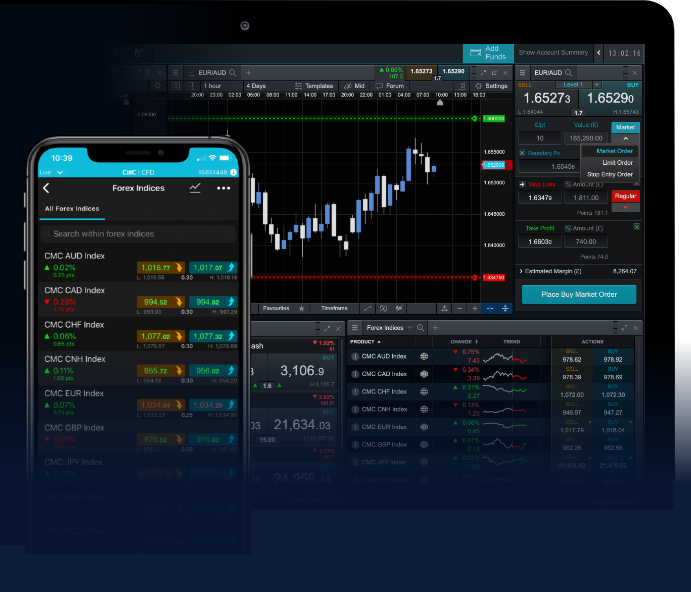
Most brokers offer trading platforms that allow you to execute trades, analyze the market, and manage your account. Platforms like MetaTrader 4 and 5 are popular among traders for their comprehensive tools and resources. Choosing the right platform is crucial for your success.
4. Develop a Trading Plan
A trading plan outlines your trading strategy, including entry and exit points, risk management rules, and the currencies you plan to trade. A well-structured trading plan helps keep your emotions in check and avoids impulsive decisions.
Forex Trading Strategies
There are several trading strategies that beginners can explore:
1. Day Trading
This strategy involves making multiple trades within a single day. Day traders capitalize on short-term price movements and typically close all their positions before the market closes to avoid overnight risks.

2. Swing Trading
Swing trading is a medium-term approach, where traders hold positions for several days or weeks to profit from price swings. This strategy requires a good understanding of market trends and technical analysis.
3. Scalping
Scalping is a high-frequency trading strategy that seeks to profit from small price gaps. Scalpers make dozens or even hundreds of trades in a single day, aiming for small gains that can add up over time.
Technical and Fundamental Analysis
Analysis is a critical component of successful forex trading. Traders often rely on two main types of analysis: technical and fundamental.
Technical Analysis
This approach involves analyzing price charts and using indicators to predict future price movements based on past performance. Popular tools include moving averages, MACD, RSI, and Fibonacci retracement levels.
Fundamental Analysis
Fundamental analysis looks at economic indicators, news releases, and geopolitical events to assess the value of a currency. Key economic indicators include interest rates, inflation, GDP, and employment data. Staying informed about global economic events is essential for any trader.
Risk Management in Forex Trading
One of the most critical aspects of trading is managing risk. Here are some effective risk management techniques:
1. Set Stop-Loss Orders
A stop-loss order helps limit your losses by automatically closing your position at a specific price. This tool protects your capital and maintains your trading discipline.
2. Define Your Risk-Reward Ratio
Before entering a trade, determine how much you are willing to risk compared to the potential reward. A common rule of thumb is to aim for a risk-reward ratio of at least 1:2, meaning you could profit twice as much as you risk.
3. Avoid Over-Leverage
Leverage allows you to control larger positions with smaller amounts of capital, but it also increases your risk. Use leverage cautiously and understand its implications on your trading outcomes.
Emotional Discipline in Trading
Forex trading can be emotionally challenging. Successful traders maintain a disciplined mindset, stick to their trading plans, and avoid making decisions based on emotions. Keeping a trading journal can be helpful to track your performance and identify areas for improvement.
Continuing Your Forex Education
The forex market is constantly evolving, and continuous education is vital. Stay updated on market trends, economic events, and advancements in trading technology. Engaging in trading communities and forums can offer valuable insights and support.
Conclusion
Forex trading offers exciting opportunities for those willing to commit the time and effort to learn and practice. By understanding the basics, employing effective strategies, and managing risks appropriately, beginners can successfully navigate the forex market. Remember, success in trading doesn’t happen overnight—patience, practice, and persistence are key.